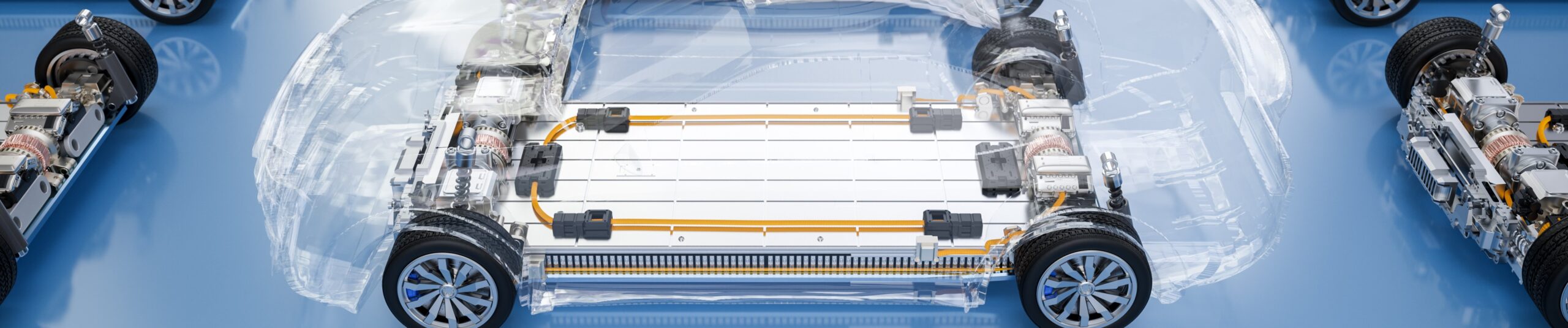
Lithium Ion Phosphate (LFP or LIP)
Lithium ion phosphate (LFP or LIP) batteries use lithium iron phosphate as the cathode material. They are known for excellent thermal stability, long cycle life, and high safety compared to other lithium-ion chemistries. Although they have lower energy density than NMC or NCA, they perform well in applications where durability and safety are critical. LFP batteries are widely used in modern electric vehicles, especially in entry-level and mid-range models. They are commonly found in Tesla’s standard-range models and many vehicles produced by Chinese manufacturers like BYD. Their popularity is growing due to lower cost and reduced reliance on cobalt and nickel.
Lithium Manganese Oxide (LMO)
Lithium manganese oxide (LMO) batteries use a spinel lithium manganese oxide cathode. They offer good thermal stability, relatively low cost, and moderate energy density. However, they tend to have shorter cycle life compared to other lithium-ion chemistries when used alone. LMO is often blended with other chemistries such as NMC to improve overall performance. These batteries have been used in vehicles like the Nissan Leaf (early versions) and the Chevrolet Volt in combination chemistries. Their fast charge capability and safety make them useful for certain EV applications.
Nickel Cobalt Aluminum (NCA)
Nickel cobalt aluminum (NCA) batteries are a lithium-ion chemistry that provides very high energy density and strong performance. They are more complex and expensive to produce due to the use of cobalt and nickel. NCA batteries are known for their long range capabilities but require careful thermal management to ensure safety. Tesla has historically used NCA cells in many of its long-range and performance vehicles. This chemistry is favored in applications where maximum energy storage and driving range are priorities. However, cost and material sourcing challenges are ongoing considerations.
Nickel Manganese Cobalt (NMC)
Nickel manganese cobalt (NMC) batteries are among the most widely used lithium-ion chemistries in EVs today. They balance energy density, cost, lifespan, and safety effectively. By adjusting the ratio of nickel, manganese, and cobalt, manufacturers can tailor performance characteristics. NMC batteries are used across a broad range of electric vehicles, including models from BMW, Volkswagen, Hyundai, and many others. They are a versatile chemistry suitable for both high-performance and mass-market EVs. Ongoing improvements aim to reduce cobalt content and increase durability.
Nickel Metal Hydride (NiMH or NMH)
Nickel metal hydride (NiMH or NMH) batteries use a hydrogen-absorbing alloy for the anode and nickel oxide hydroxide for the cathode. They were widely used in early hybrid vehicles before lithium-ion became dominant. NiMH batteries are durable, tolerant of abuse, and relatively safe, but they have lower energy density and higher self-discharge compared to modern lithium-ion cells. They are still commonly found in hybrid vehicles such as the Toyota Prius and other HEVs. While less common in fully electric vehicles today, they remain important in hybrid applications due to their robustness.
Emerging – Solid-State (SS)
Solid-state (SS) batteries are an emerging technology that replaces the liquid electrolyte with a solid material. This design promises significant improvements in energy density, safety, and charging speed. Solid-state batteries are less prone to overheating and may enable longer driving ranges and faster charging times. While not yet widely commercialized, many automakers including Toyota, BMW, and Volkswagen are actively developing SS battery technologies. They are expected to play a major role in the future of electric vehicles once manufacturing challenges and costs are reduced.
Lead-Acid (LA)
Lead-acid (LA) batteries are one of the oldest rechargeable battery chemistries, using lead dioxide and sponge lead with sulfuric acid as the electrolyte. They are low-cost and highly reliable but have relatively low energy density and heavy weight compared to modern EV batteries. In electric vehicles, LA batteries are typically used in auxiliary systems rather than primary propulsion due to their limitations. They are still common in low-speed electric vehicles, golf carts, and legacy EV conversions. Some early electric cars and hybrid systems also used lead-acid packs. Their main advantages are low cost and recyclability, but they are being phased out in favor of more advanced chemistries.