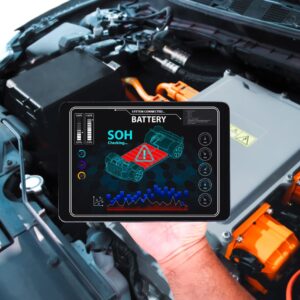
Standardized EV Battery Testing
- Standardized EV battery testing is essential to builds buyer and seller trust, ensures consistent valuation, and align with evolving safety and regulatory expectations across provinces.
- By providing uniform metrics such as state of health (SoH) and remaining capacity customers can confidently compare batteries across listings, reducing uncertainty and perceived risk in secondary markets.
- Standardized testing to supports transparent pricing and enables broader adoption of second-life battery applications (e.g., energy storage).
- The consistency helps legitimize the resale ecosystem generally which in turn can accelerate circular economy goals within Canada’s growing EV landscape.

Canadian Only Sellers
- Focusing exclusively on Canadian sellers is a strategic decision that simplifies logistics and reduces costs in a used EV battery marketplace, where shipping, compliance, and risk factors are significantly higher than for typical goods.
- Cross-border transportation of lithium-ion batteries is heavily regulated due to safety concerns, often requiring specialized handling, hazardous material documentation, and carrier restrictions, which can lead to delays and increased costs.
- Additionally, tariffs, import duties, and fluctuating tax requirements between Canada and other countries can complicate pricing transparency and erode buyer confidence.
- By limiting the platform to domestic sellers, we offer more predictable shipping timelines, clearer pricing without hidden fees, and easier alignment with Canadian regulatory standards.
- This localized approach ultimately creates a smoother, more reliable experience for both buyers and sellers while supporting the growth of Canada’s domestic EV and battery reuse ecosystem.

Vehicle VIN Decoding
- We believe including VIN-decoded vehicle specifications is critical in a used EV battery marketplace because it ensures accurate identification of the battery’s original vehicle application, which directly impacts compatibility, performance expectations, and value.
- By confirming key details such as year, make, model, and trim, VIN decoding helps verify that the battery being sold matches the correct vehicle platform and chemistry, reducing the risk of misrepresentation or costly mismatches for buyers.
- It also enables more precise assessment of factors like expected degradation patterns, original capacity, and compatibility with other vehicles or second-life uses.
- Ultimately, this layer of verification enhances transparency, supports standardized listings, and builds confidence among buyers who rely on accurate technical information to make informed purchasing decisions.